
these aromatic leaves (bay leaf, coriander/cilantro, mint, oregano, and curry leaves, also known as curry patta or kadi patta from the tree Bergera koenigii) are truly magical in the kitchen! They add layers of fragrance and depth that primarily stimulate the olfactory sense (our sense of smell), which plays a massive role in how we perceive flavor.
When you have a cold or congestion (anosmia or hyposmia, where the olfactory nerve is temporarily impaired), smell is blocked, and food often tastes bland or tasteless. That’s because up to 80% of what we experience as “taste” actually comes from aroma retronasally (scents traveling from the mouth to the nose). These volatile compounds in aromatic herbs are the first to be “lost” in such conditions, even if basic tastes (sweet, sour, salty, bitter, umami) from other ingredients remain detectable.
These leaves shine especially in Indian and Mediterranean cuisines:

Bay Leaves
Bay leaves — subtle, earthy depth in soups, stews, and curries.

Cilantro (coriander): Benefits, nutrition, and preparation tips
Fresh coriander leaves (cilantro) — bright, citrusy finish to dals, chutneys, and salads.

15 uses for fresh mint — A Little Bit | Dressings, Dips & Sauces …
Mint leaves — cooling freshness in raitas, teas, or garnishes.
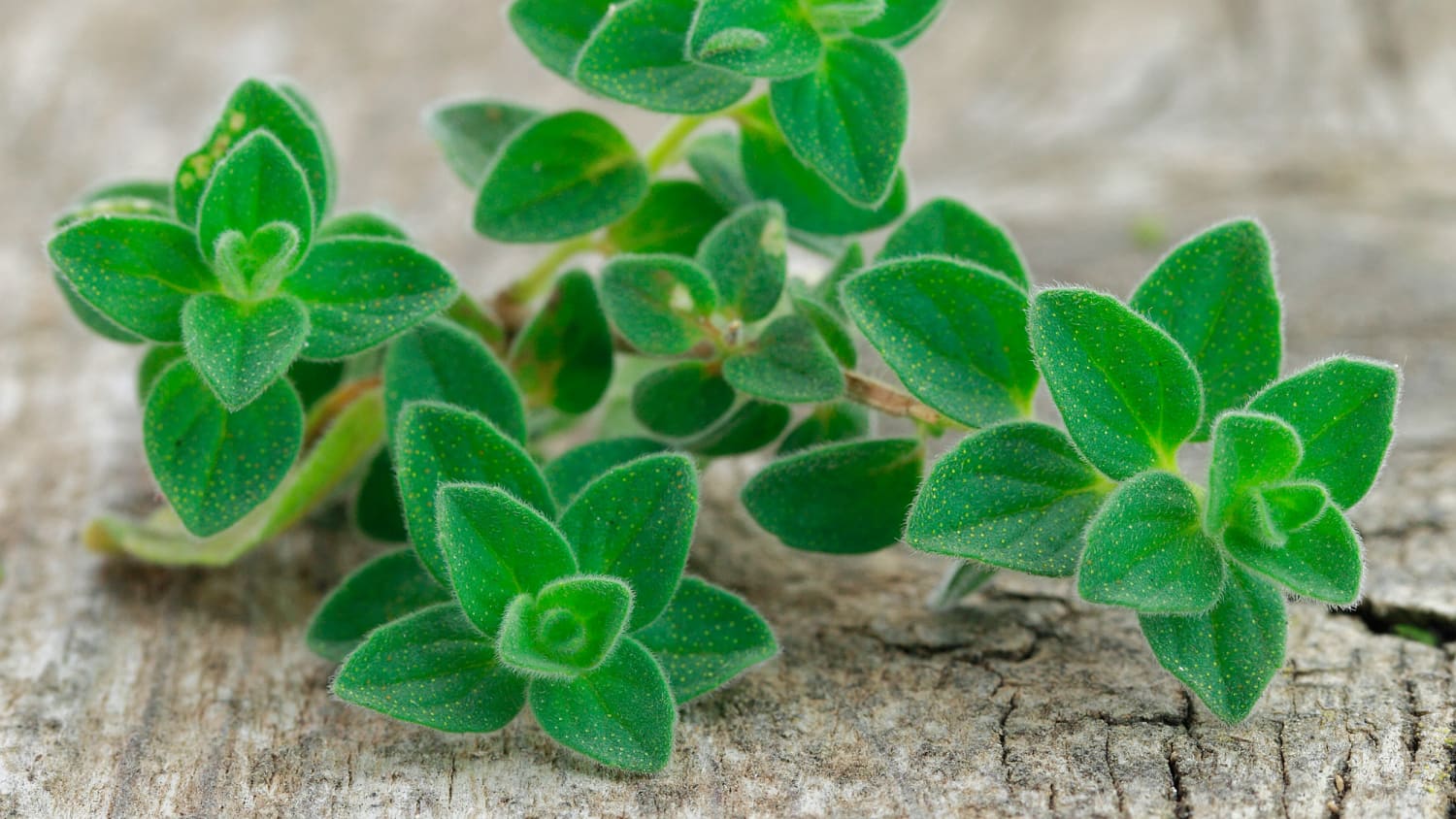
5 Tasty Ways to Cook with Fresh Oregano | The Kitchn
Oregano — bold, peppery notes in pizzas, pastas, or marinades.

Amazon.com : Fresh Curry Leaves (Kari Patta), Aromatic Indian Herb …
Curry leaves — nutty, citrus-like pop when tempered in oil for South Indian dishes.

They’re not just flavor boosters; studies even suggest aromatic herbs can enhance perception of saltiness or other tastes in people with reduced smell, making them great for healthier cooking with less salt.
Next time you have a cold, try extra spices or textures for compensation—but nothing beats the full magic when your nose is clear!
chemistry and main chemical component of each and when it is released
What is Eugenol?
Eugenol is a naturally occurring phenolic compound belonging to the phenylpropanoid class of chemicals. It is the primary component responsible for the characteristic spicy, clove-like aroma in many spices and herbs. In the context of bay leaves (one of the aromatic leaves we discussed earlier), eugenol contributes to their earthy, subtle depth, along with compounds like 1,8-cineole.
Chemical Identity
- Molecular Formula: CX10HX12OX2
- IUPAC Name: 2-methoxy-4-(prop-2-en-1-yl)phenol (also commonly known as 4-allyl-2-methoxyphenol)
- Molecular Weight: 164.20 g/mol
- Structure: It is an allyl-substituted guaiacol, featuring a benzene ring with a hydroxyl group (-OH), a methoxy group (-OCH₃), and an allyl side chain (-CH₂-CH=CH₂).


Physical Properties
Eugenol is a colorless to pale yellow oily liquid with a strong, warm, spicy aroma reminiscent of cloves. It darkens upon exposure to air due to oxidation.
- Boiling Point: ~253–254 °C
- Melting Point: -9 °C
- Density: ~1.06 g/cm³
- Solubility: Slightly soluble in water; highly soluble in organic solvents like ethanol and essential oils.
Natural Sources
Eugenol is extracted from essential oils of various plants:
- Highest Concentration: Cloves (Syzygium aromaticum) – 80–95% in bud oil, 82–88% in leaf oil.
- Bay Leaves (Laurus nobilis): Present alongside 1,8-cineole and methyl eugenol, contributing to the spicy-woody notes.
- Other Sources: Cinnamon, nutmeg, basil, allspice, turmeric, and oregano.


Biosynthesis
In plants, eugenol is biosynthesized from the amino acid tyrosine via a series of enzymatic steps involving intermediates like p-coumaric acid, caffeic acid, coniferyl alcohol, and coniferyl acetate, culminating in reduction by eugenol synthase.
Release and Aroma
Like other volatile compounds in aromatic leaves, eugenol is released primarily during heating (e.g., infusion in soups/stews for bay leaves) or crushing. Its volatility allows it to reach olfactory receptors, enhancing flavor perception—explaining why it’s “lost” when smell is impaired during a cold.
Uses
- Culinary: Flavoring in foods, perfumes, and essential oils (e.g., clove oil).
- Dental: Key ingredient in zinc oxide-eugenol cement for temporary fillings, root canal sealing, and pain relief due to its anesthetic and antiseptic properties.
- Pharmaceutical/Cosmetic: Antioxidant, anti-inflammatory, antimicrobial; used in perfumes, mouthwashes, and as a food additive.
Plasmaid Eugenol 4oz Bottle
Biological Properties
Eugenol exhibits:
- Antimicrobial and antifungal activity
- Anti-inflammatory and analgesic effects
- Antioxidant properties (scavenges free radicals)
- Neuroprotective and potential MAO-inhibiting effects
It acts as a positive allosteric modulator of GABAA receptors, contributing to anesthetic properties (inspired development of drugs like propofol).
Safety and Toxicity
Generally recognized as safe (GRAS) in small culinary amounts. However, pure eugenol or high concentrations can cause irritation, allergic reactions, or toxicity (hepatotoxic in excess). It’s restricted in some cosmetics due to potential sensitization. Always dilute essential oils and avoid undiluted skin application.
Eugenol’s versatility—from enhancing the magic of bay leaves in your curry to modern dental applications—makes it a fascinating compound bridging cuisine and science! If you’d like more on its role in specific recipes or comparisons with other compounds, let me know.