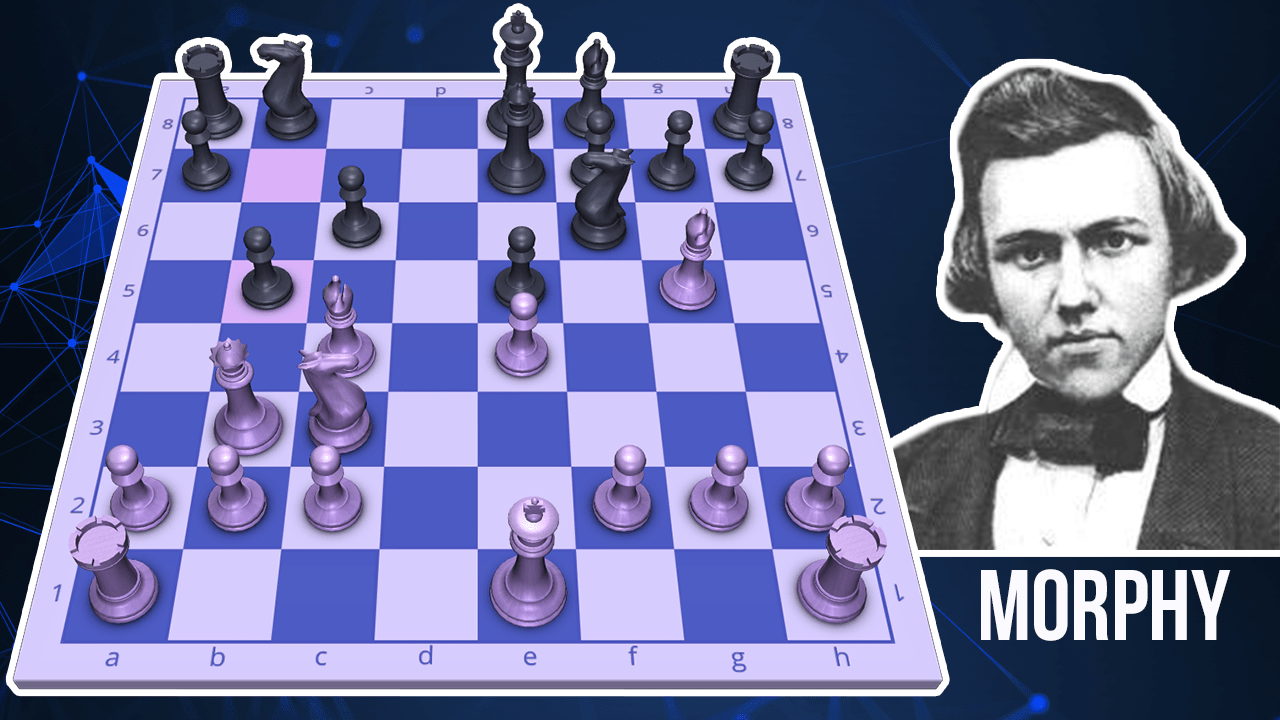
We had gone to meet a recruit, a young boy who worked in his father’s small grocery store, and though we had not announced ourselves as doctors we were treated as guest doctors anyway, because we were guests of the father and that was enough. Tea was brought, chairs were arranged, and the room filled with that quiet warmth that comes when people behave well with one another. The father mentioned that he had studied in school in Kaza, and that fascinated me, I began to ask him about growing up there, about snow and thin air and long walks between villages. My friend too spoke gently and with care, and nothing felt out of place, nothing felt strained, everything was ordinary and decent, yet beneath it all it was the father, with his drink and his pride, who carried the foolishness, while the boy remained simply present and innocent, standing behind the counter, watching.
Nothing was wrong until we were back in the car. That was when my friend said that it had seemed to him that the father liked me more. I protested, and then he changed the wording and said that the father had been more receptive to me. In that small shift of language something subtle and poisonous entered the moment. And so, without anyone intending it, three fools were born, I who had seen only conversation became the ninth fool, my friend who had seen comparison became the tenth, and the father, who did not know he was being weighed and measured, became the eleventh.
Many days later the three fools met again, this time over a game of chess, the old awkwardness pushed aside into some distant corner of memory. There were three men and one chessboard, and while in theory everyone could play everyone and there could be six games, in reality there was only one table, one kettle of tea, one present moment, and so only one game could exist. I said I would take White, my friend said he would watch even though he was truly interested in playing, and the father protested a little and then took Black, while the boy drifted in and out of the room, silent and uncounted. Without anyone noticing it, the old pattern had returned.
The watcher then declared that he would intervene if either of us played a fool’s move, since there were exactly eight such opening traps, and only one of us could be a fool. He said that after five moves, once the opening dangers had passed, he would no longer interfere and would simply watch to see who became the grizzled bear, the one who had lost and yet still kept playing. It was a strange law, one that allowed foolishness only at the beginning and granted tragedy a free hand afterward.
Five moves passed, and the watcher was no longer really outside the game. Sometimes he leaned toward White, sometimes toward Black, and the room itself began to participate, filling with cigarette smoke and tea and the slow pressure of needing to pee. The game thickened, it was no longer only on the board, it was in the body as well. Two castles faced one another, each with its own defenders, and the position had become a mirror, careful and symmetrical, but symmetry is fragile, it lasts only until someone dares to disturb it.
Black, the father, was in the stronger position and so he allowed himself a small luxury, he got up to pee, taking his time, convinced that he had White exactly where he wanted him. While he was away the watcher saw an escape route and White sensed it too, and so White did the unthinkable and sacrificed his queen, not as a display of cleverness but as a small violence meant to wrest the old man out of his drinking habit, to interrupt the easy slide of certainty. It was a weak sacrifice, the kind that looks foolish. When the father returned and saw the queen hanging he did not calculate, he felt, he felt superior and rewarded and entitled, and so he took the queen, and in taking it he paid the price.
It reminded me of a game played long ago in a Paris opera house, when Paul Morphy, seated in a theatre box, placed his queen on a square where it could be taken by anyone who wanted it, and his opponents, Duke Karl and Count Isouard, felt exactly what the father now felt, a brief rush of greed and certainty, and they took the queen, and with that one act of confidence they walked straight into checkmate. Morphy’s sacrifice was not complicated, it was simply irresistible, and that was why it worked, because foolishness does not live in the move but in the response to it.
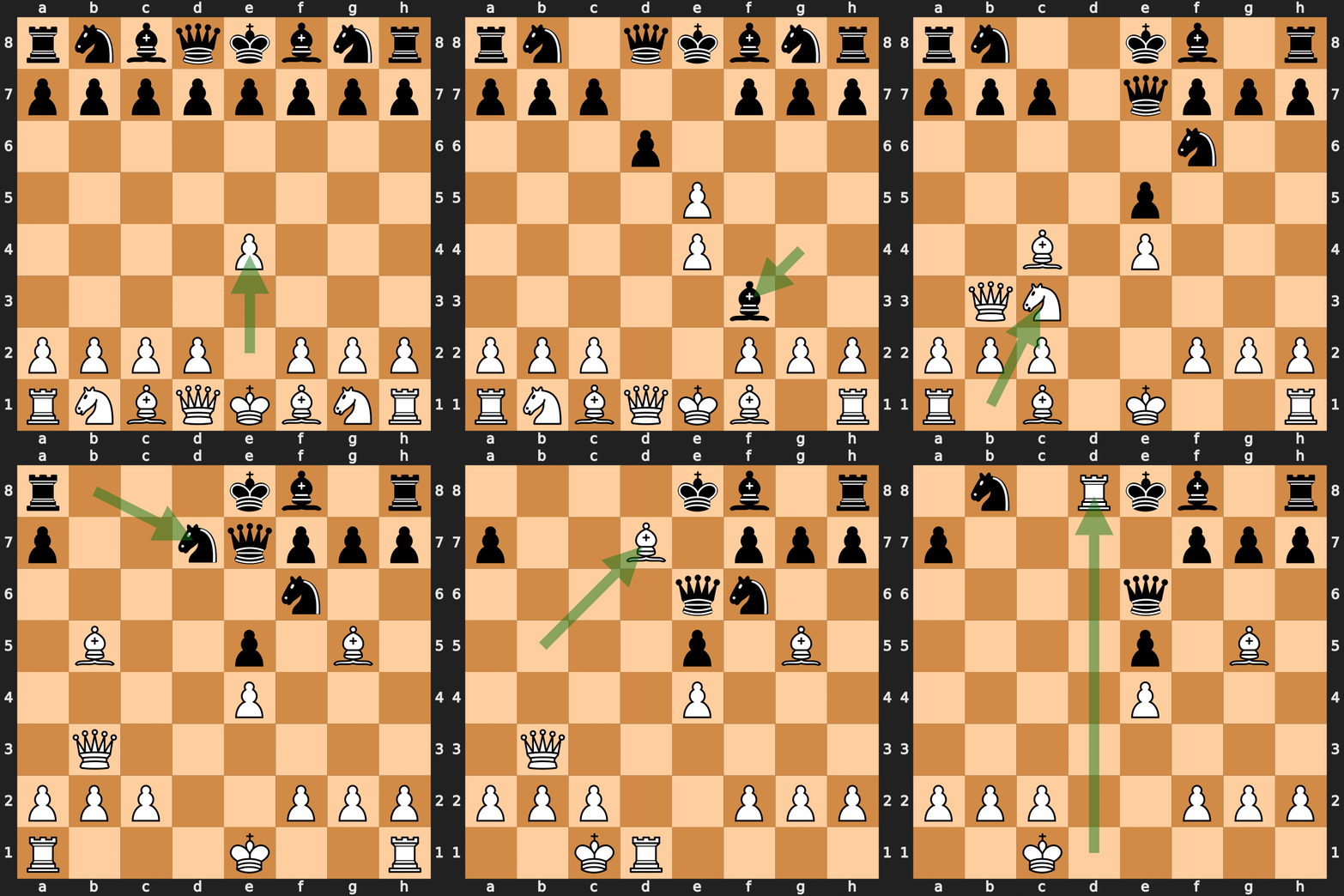

And so the ninth fool learned that kindness is often misread, the tenth fool learned that no watcher ever remains neutral, and the eleventh fool, the alcoholic father, learned that greed and drink walk hand in hand toward ruin, while the boy, still innocent, continued to move quietly through the room, never knowing that a game far larger than chess had been played around him.